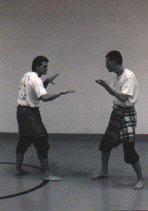
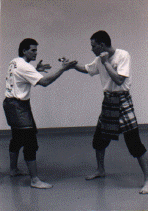
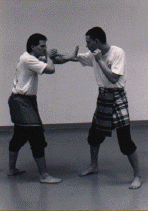
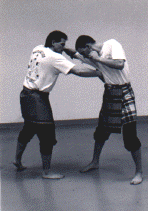
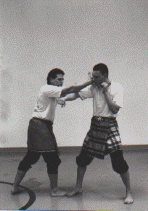
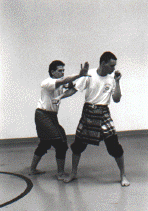
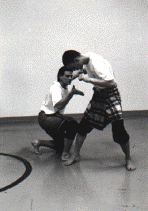
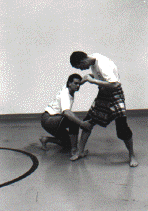
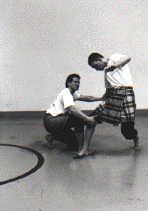
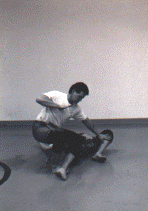
| Indonesian culture has three main categories of martial art form: 1. Pencak Silat (self-defense) ; 2. Penjang Gulat (wrestling ); and 3. Ujungan (stick & blade application). These variations of fighting methods have been in existence since 400 AD. Today, Pencak Silat is the most popular of the three systems with wide spread organized associations and through acknowledged practitioners. Penjang Gulat is practiced mostly by the farmers of Indonesia, and is rarely seen today, except at annual festival events. Ujungan is occasionally incorporated into various Pencak Silat styles or other systems that are closely related to Indonesian culture like the Filippino martial arts. These three major styles may be seen individually as a self-defense form or combined to make up one particular system. This
depends on the experience of the
practitioner.
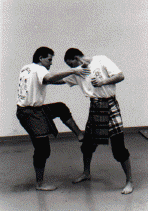
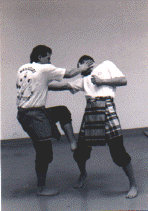
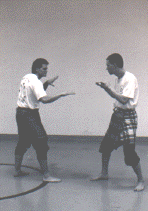
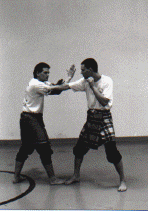
Pencak Silat is performed with a high degree of rhythmic and artistic motions that give it a dance like appearance with a deadly array of combative techniques. The combinations of soft and hard explosive movements, changing directions at any point in time, forms a defensive system that uses hard strikes with flexible postures. Pencak Silat practitioners occasionally hide their techniques from the attacker with unusual postures, stances and hypnotic movements that are meant to confuse and deceive the attacker. Once this is achieved, Pencak Silat practitioners will defend or attack from a variation of angles and positions that surprise the opponent, giving the advantage to the Pencak Silat practitioner. Other forms of deception that Indonesian warriors
have used against their opponents are colorful garments and wooden facial masks that represented frightened
and colorful gods. These tactics were
also used to heighten the warriors adrenalin to endure the
pains and victory of battle. It is also noted that
these tactics of self hypnotizes were used to transcends
one's spirit and physical appearance into a form of a god,
making him invincible and untouchable. But Hindu master that
perform such court dances of display represent not only the
invincible warrior but princes, guardians, heroes and
legends that all tell stories of their great nobility. Such
acts as these have been the core of Indonesian beliefs for
thousands of years.
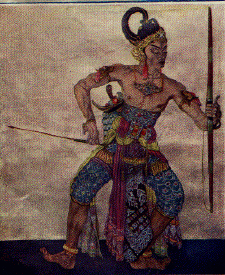
Above left: The mighty Arjuna in the
"Mahabarata" epic express inward concentration and
humble mind. His eyes always cast down in humility, because
he has studied with the great religious teachers on the
scared mountains. His techniques are so delicate and
polished that when in battle a mere flick of his scarf is as
effective as of ordinary mans sword thrust. thrust.
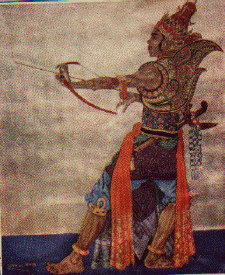
Above Right: "Ramayana" the Hindu hero wears the
armor wings and a kings crown; the Kriss (dagger)
upon his back are decorated with flowers and garment only
worn by heroes.
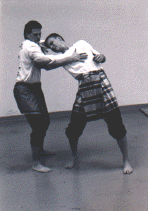
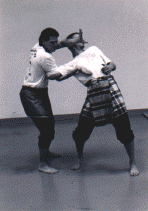
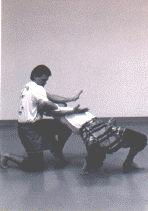
There are approximately 800 different systems of Pencak Silat throughout Indonesia. Each share some similar characteristics to the other, but all Pencak Silat styles are different in their fighting method. Distinctive styles developed to address the differences in the terrain and environment of the villages as well as the physical characteristics of the tribesmen that displayed them. Some techniques are characterized by upright postures and sweeping motions that trip the opponent off balance, while other styles are characterized by low stances and involve pulling the opponent to the ground.
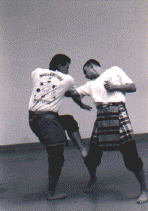
Pencak Silat practitioners are trained to constantly deliver elbows, knees, empty hand blows, locks and takedowns as their primary empty hand defense, and
yet maintaining to keep the symbolic art form that is native to the Indonesian culture. Variations in the use of daggers and blades are incorporated into Pencak Silat empty hand defense without changing the basis of the system. Blending the use of weaponry, with ones movements and combative applications, forges a type of martial art that is mysterious, sophisticated and deadly with weaponry
applications.
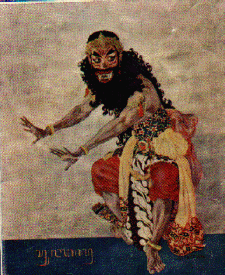
Below Right: "Rakshara" (giant)
wears a mask of large teeth and hair. He excels in roles of
every type; here representing rough and brutal individual.
Indonesians like many cultures use colorful mask to
represent certain
characters.
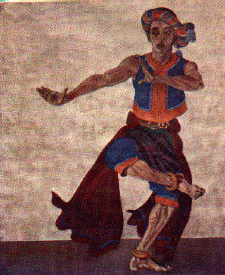
Below Left: A Bogis or Celebes Islander performing Silat. It
is well known that other nations such as the Filipinos have
had close relations with Indonesian empires for
centuries.
Migration from different cultures such as Persia, India, Malaysia, Philippines, and Europe have occurred in the Indonesian islands for centuries. The Dutch being one of the most successful in controlling the spice trade and valuable resources that are native to the Indonesian islands ruled parts of Indonesia until the year 1948. In that year, the Indonesian revolution occurred, and native Indonesians successfully fought to take back the control of their country from the Dutch.
Today we see Pencak Silat spelled and pronounced in two different
manners. 1. Native Indonesian spelling - Pencak Silat 2. Dutch spelling -Pentjack
Silat.
Pencak Silat teaches specifically arranged set forms that are called: Juru's, Buha and Sumbuts. These patterns train the practitioner to constantly move into particular formations of footwork while executing their defensive weaponry. Indonesian native instruments are played to accompany the practitioner's movements and to influence rhythm into the practitioner's motions. Once this is mastered the practitioner then will incorporate several of the forms that have been practiced, and deliver them without any particular order or structure. This high level of performance is called "Kembangan" which translates to "ones own expression" while performing Pencak
Silat.
|